Neuro Fuzzy Rice Cooker Manual: A Comprehensive Guide
This manual details the Zojirushi Neuro Fuzzy rice cooker, offering insights into its advanced technology, operation, and maintenance for optimal rice cooking results.
Neuro Fuzzy technology represents a significant leap forward in rice cooking, moving beyond simple timer-based systems. These cookers utilize a microchip, often referred to as a “fuzzy logic” controller, to mimic human decision-making. This controller analyzes variables like temperature and rice quantity, adjusting cooking parameters in real-time.
Zojirushi pioneered this technology, creating cookers that learn and adapt to produce consistently perfect rice. Unlike conventional cookers, Neuro Fuzzy models don’t just follow a pre-programmed sequence; they actively monitor and respond to the cooking process. This results in enhanced texture, flavor, and overall rice quality. The system optimizes water absorption and heating cycles, ensuring each grain is cooked to perfection, regardless of the rice type or amount.
Understanding the Zojirushi Neuro Fuzzy Logic
Zojirushi’s Neuro Fuzzy Logic isn’t true artificial intelligence, but a sophisticated control system employing fuzzy theory. This theory allows the cooker to handle imprecise, “fuzzy” data – like the slight variations in rice quality or water measurements – more effectively than traditional on/off systems.
The system uses membership functions and rule-based logic to determine optimal cooking parameters. It continuously monitors temperature changes within the cooking pot, adjusting heating power to maintain ideal conditions. This adaptive control ensures even cooking and prevents scorching. Different Zojirushi models feature varying degrees of fuzzy logic sophistication, impacting their ability to handle diverse rice types and cooking preferences. Ultimately, it’s about consistent, high-quality results.
Key Features of Neuro Fuzzy Rice Cookers
Neuro Fuzzy rice cookers boast several standout features enhancing the cooking experience. Precise temperature control, enabled by the fuzzy logic system, delivers perfectly cooked rice every time, adapting to variations in rice type and quantity. Many models include multiple cooking settings – white, brown, sushi rice, and more – offering versatility.
Additional features often include a delay timer for convenient meal preparation, a keep-warm function maintaining rice temperature for extended periods, and specialized modes for porridge or even cake baking. The inner pot’s construction, often utilizing spherical or layered materials, contributes to even heat distribution. These features combine to provide a superior rice cooking solution.

Components and Parts of the Rice Cooker
Understanding the rice cooker’s anatomy is crucial. Key parts include the inner pot, control panel, steam vent, heating plate, and outer housing, each vital for operation.
Inner Cooking Pot – Materials and Care
The inner cooking pot is the heart of your Neuro Fuzzy rice cooker, directly impacting rice quality. Most models feature a multi-layer construction, often incorporating stainless steel, aluminum, and a non-stick coating. This combination ensures even heat distribution and prevents sticking. Proper care extends the pot’s lifespan and maintains its performance.
Cleaning: After each use, allow the pot to cool completely before washing. Hand washing with mild detergent is recommended to avoid scratching the non-stick surface. Avoid abrasive cleaners or scouring pads. For stubborn residue, soak the pot in warm, soapy water.
Maintenance: Regularly inspect the pot for any damage to the coating. While minor scratches are generally acceptable, significant damage may require replacement. Avoid using metal utensils directly in the pot to preserve the non-stick properties. Proper handling ensures consistently delicious rice for years to come.
Control Panel Overview – Buttons and Indicators
The Neuro Fuzzy rice cooker’s control panel is designed for intuitive operation, offering a range of settings for various cooking preferences. Key buttons typically include ‘Cook’ (for white rice), ‘Brown Rice’, ‘Quick Cook’, ‘Porridge’, and ‘Cake’. A ‘Delay Timer’ allows for pre-programmed cooking start times.
Indicators: An LCD screen displays the current cooking mode, remaining time, and any error codes. Indicator lights signal when the cooker is heating, cooking, or in the ‘Keep Warm’ mode. Some models feature a ‘Neuro Fuzzy’ indicator, signifying the intelligent cooking process is active.
Understanding the symbols and functions of each button and indicator is crucial for maximizing the cooker’s capabilities and achieving perfect rice every time. Refer to the detailed diagram in this manual for specific button locations and functions.
Steam Vent and its Importance
The steam vent is a critical component of the Neuro Fuzzy rice cooker, playing a vital role in regulating pressure and moisture during the cooking process. It allows excess steam to escape, preventing overcooking and ensuring optimal rice texture. Regular cleaning of the steam vent is essential to prevent blockages that can affect cooking performance and potentially cause pressure build-up.
A blocked steam vent can lead to unevenly cooked rice or even trigger safety mechanisms. The vent’s design often includes a removable lid for easy access during cleaning. Avoid obstructing the vent during operation, ensuring sufficient space around the cooker for proper ventilation.
Proper steam vent function is key to consistently delicious and perfectly cooked rice.

Operating Instructions
Follow these simple steps to utilize your Neuro Fuzzy rice cooker effectively, ensuring perfectly cooked rice every time with ease and precision.
Preparing Rice for Cooking – Water Levels
Accurate water measurement is crucial for optimal results with your Neuro Fuzzy rice cooker. The ideal water level varies depending on the type of rice and your desired texture. For white rice, a general guideline is to use a 1:1 rice-to-water ratio by volume. However, the inner pot often has markings indicating water levels for different cup measurements.
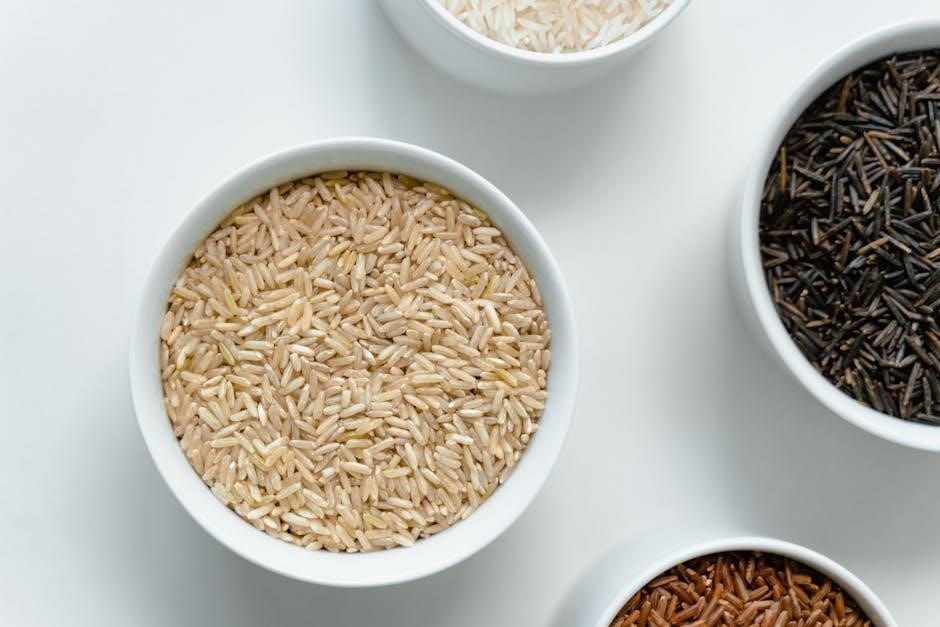
Always rinse the rice thoroughly under cold water until the water runs clear, removing excess starch. This prevents stickiness and improves the final texture. For brown rice, a slightly higher water ratio is typically required, around 1:1.25 or 1:1.5. Refer to the cooker’s manual or the rice packaging for specific recommendations. Experimenting slightly can help you achieve your preferred consistency.
Cooking White Rice – Step-by-Step Guide
Begin by rinsing the desired amount of white rice until the water runs clear. Add the rinsed rice to the inner cooking pot and add water according to the markings for your desired cup measurement – typically a 1:1 ratio. Ensure the rice is evenly distributed. Close the lid securely, making sure the steam vent is clear.
Press the “White Rice” button on the control panel. The Neuro Fuzzy logic will automatically adjust cooking time and temperature. Once cooking is complete, the cooker will switch to the “Keep Warm” mode. Allow the rice to steam for 10-15 minutes with the lid closed for optimal texture. Fluff gently with a rice paddle before serving.
Cooking Brown Rice – Specific Settings
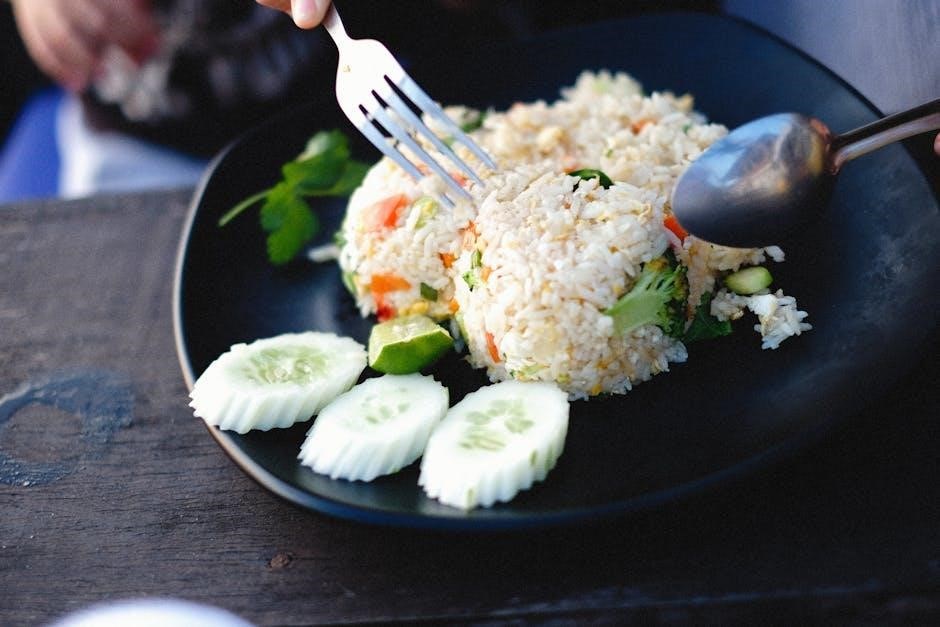
Brown rice requires a different approach due to its bran layer. Begin by rinsing the brown rice thoroughly. Add the rinsed rice to the inner pot and use the water level markings specifically designated for “Brown Rice” – generally a higher ratio than white rice, around 1:1.25 or 1:1.5. Securely close the lid, verifying the steam vent is unobstructed.
Press the “Brown Rice” button on the control panel. The Neuro Fuzzy technology will initiate a longer cooking cycle with adjusted temperature control. After completion, allow the rice to steam for 15-20 minutes, keeping the lid closed. Fluff gently before serving to achieve a perfectly cooked, slightly chewy texture.
Using the Quick Cook Function
The Quick Cook function prioritizes speed, ideal when time is limited. Begin by rinsing the rice as usual and adding it to the inner pot with water, adhering to the standard white rice water level markings. Ensure the lid is securely fastened and the steam vent is clear. Press the “Quick Cook” button on the control panel.
This setting utilizes a higher cooking temperature and reduced steaming time. While faster, it may slightly compromise the texture compared to the standard cooking cycle. After the cycle completes, allow a brief 10-minute steaming period before fluffing and serving. Note that the Quick Cook function is best suited for smaller rice portions.

Advanced Features and Settings
Explore versatile cooking options beyond basic rice, including porridge, soup, and even cake baking, utilizing specialized settings for diverse culinary creations.
Porridge and Soup Cooking Modes
The Neuro Fuzzy rice cooker isn’t limited to just rice! It excels at preparing delicious and nutritious porridge and flavorful soups with dedicated cooking modes. For porridge, adjust the water-to-rice ratio based on desired consistency – more water yields a thinner porridge. The cooker automatically manages temperature and stirring for a creamy texture.
Soup cooking utilizes similar principles, allowing for slow simmering to extract maximum flavor from ingredients. Experiment with different broths, vegetables, and proteins. The fuzzy logic technology ensures even heating and prevents scorching. Refer to the manual for specific ingredient recommendations and cooking times for optimal results. These modes offer convenient, one-touch operation for expanding your culinary repertoire beyond traditional rice dishes.
Cake Baking Function – Recipes and Tips
Surprisingly, many Neuro Fuzzy rice cookers feature a cake baking function! This utilizes the precise temperature control to create surprisingly moist and fluffy cakes. Begin with simple recipes like sponge cakes or cheesecakes, adjusting baking times based on your model. Thoroughly grease the inner pot to prevent sticking, and consider lining the bottom with parchment paper for easy removal;
Avoid overfilling the pot, as the cake will rise during baking. Check for doneness using a toothpick – if it comes out clean, the cake is ready. Experiment with flavors and frostings after mastering the basic technique. Remember, results may vary, so start with tested recipes and adjust accordingly for perfect results!
Delay Timer – Setting and Usage
The delay timer function allows for convenient, pre-programmed cooking. Simply add your rice and water, select the desired cooking cycle, and then set the timer for when you want the cooking to begin. This is ideal for having freshly cooked rice ready upon your return home or for breakfast preparation. Ensure ingredients remain fresh during the delay period; avoid adding perishable items.
Press the “Timer” or “Delay” button, then use the hour and minute buttons to set the desired start time. Confirm your settings before initiating the timer. Note that the “Keep Warm” function will automatically activate once cooking is complete, maintaining rice temperature until serving.
Troubleshooting Common Issues
This section provides solutions for typical problems, like the cooker not powering on, burning smells, or displaying error codes, ensuring continued optimal performance.
Rice Cooker Not Turning On
If your Neuro Fuzzy rice cooker fails to power on, begin with the simplest checks. Ensure the power cord is securely plugged into both the cooker and a functioning wall outlet. Test the outlet with another appliance to confirm it’s delivering power.
Next, verify the cooker lid is properly closed; a safety mechanism prevents operation if the lid isn’t sealed correctly. Inspect the power cord for any visible damage, such as cuts or fraying. If damage is present, do not use the cooker and contact customer support for a replacement.
Finally, check the control panel for any illuminated indicators suggesting a lock or error state. Refer to the error code section of this manual if any codes are displayed.
Burning Smell During Cooking
A burning smell emanating from your Neuro Fuzzy rice cooker during operation typically indicates food residue buildup. This often occurs when starchy spills aren’t promptly cleaned from the inner cooking pot or heating plate. Immediately unplug the cooker and allow it to cool completely before inspection.
Carefully remove the inner pot and thoroughly clean both the pot and the heating plate with a damp cloth. Ensure no rice grains or debris remain. A slight initial burning smell after cleaning is normal, but should dissipate quickly.
If the smell persists, or is accompanied by smoke, discontinue use and contact Zojirushi customer support for assistance.
Error Codes and Their Meanings
Your Zojirushi Neuro Fuzzy rice cooker utilizes error codes to signal malfunctions. “E1” typically indicates a temperature sensor issue, requiring professional service. “E2” suggests a problem with the heating element, also needing repair. “E3” often signifies a lid closure detection error – ensure the lid is securely fastened.
“UH” or “HH” denotes overheating; unplug the cooker and allow it to cool before restarting. “LC” signifies the inner pot isn’t properly seated. Always consult the full error code list in your manual.
Ignoring error codes can lead to further damage. Contact Zojirushi customer support with the specific code for accurate diagnosis and resolution.

Cleaning and Maintenance
Regular cleaning extends your rice cooker’s lifespan. Thoroughly wash the inner pot, lid, and exterior after each use to prevent buildup and ensure optimal performance.
Cleaning the Inner Pot and Lid
After each use, promptly remove the inner cooking pot and lid for cleaning. Hand washing is recommended to preserve the non-stick coating; avoid abrasive cleaners or scouring pads. For stubborn residue, soak the pot in warm, soapy water before gently washing.
The lid can also be washed with warm, soapy water. Ensure all steam vent components are clear of any obstructions. Both the pot and lid should be thoroughly dried before reassembly. Dishwasher use may be permissible, but check your model’s specific instructions to avoid damage. Regular, careful cleaning maintains optimal cooking performance and extends the life of your Neuro Fuzzy rice cooker.
Cleaning the Exterior of the Rice Cooker
To clean the exterior, always disconnect the rice cooker from the power outlet and allow it to cool completely. Use a soft, damp cloth to wipe down the housing, control panel, and surrounding areas. Avoid using harsh chemicals, abrasive cleaners, or excessive water, as these can damage the finish or internal components.
For stubborn stains, a mild detergent solution can be used sparingly, followed by a clean, damp cloth to remove any residue. Pay attention to areas around the steam vent and control buttons. Ensure the exterior is thoroughly dried before plugging the unit back in. Regular exterior cleaning keeps your Neuro Fuzzy rice cooker looking its best.
Descaling the Rice Cooker
Over time, mineral deposits from water can accumulate inside your Neuro Fuzzy rice cooker, affecting its performance. Descaling removes these deposits. Fill the inner pot with a mixture of equal parts water and white vinegar – approximately 2-3 cups. Close the lid and run a full cooking cycle, using the white rice setting.
After the cycle completes, let the solution sit for 30-60 minutes. Drain the vinegar solution and rinse the inner pot thoroughly with clean water. Repeat the process with fresh water only, to ensure all traces of vinegar are removed. This process maintains optimal cooking efficiency.
Safety Precautions
Always follow electrical safety guidelines and avoid water exposure. Use caution to prevent burns from steam and hot surfaces during and after operation.
Electrical Safety Guidelines
To ensure safe operation of your Neuro Fuzzy rice cooker, always plug it into a grounded electrical outlet. Never operate the appliance with a damaged cord or plug; if damaged, it must be repaired by a qualified technician. Avoid using extension cords whenever possible, but if necessary, ensure the cord is appropriately rated for the cooker’s wattage.
Do not immerse the rice cooker base, cord, or plug in water or other liquids. Unplug the cooker from the outlet before cleaning or when not in use. Never pull the cord to disconnect the cooker; instead, grasp the plug. Keep the appliance away from heat sources and flammable materials. Regularly inspect the power cord for any signs of wear or damage.
Proper Usage to Avoid Burns
Exercise extreme caution when operating your Neuro Fuzzy rice cooker, as several parts become very hot during and immediately after cooking. Avoid touching the inner cooking pot, heating plate, steam vent, and exterior housing until they have cooled down completely. Always use oven mitts or pot holders when handling the hot inner pot or lid.
Be mindful of the escaping steam from the steam vent, as it can cause severe burns. Do not lean over the cooker while it is in operation or immediately after cooking. Keep children away from the rice cooker during and after use. Never attempt to open the lid forcefully during the cooking cycle.
Storage Instructions
Before storing your Neuro Fuzzy rice cooker, ensure it is completely cool, clean, and dry. Disconnect the power cord and store it securely within the cooker or in a separate, safe location. It’s best to store the cooker in a cool, dry place, away from direct sunlight and extreme temperatures.
Avoid storing anything on top of the rice cooker, as this could damage the lid or control panel. If storing for an extended period, consider placing the inner pot and accessories inside the cooker to keep them together and protected. Regularly check the storage area for any signs of moisture or pests.