Welcome to the guide that explains how to set up, operate, and maintain the device that manages power from solar panels to batteries. It covers essential safety steps, installation basics, and operational settings to ensure reliable, efficient energy flow. Follow steps carefully for best performance. now
Purpose of the Manual

This manual provides a comprehensive guide for users of the solar charge controller, detailing its purpose, safety precautions, installation steps, and operational settings. It is designed to help installers, technicians, and homeowners understand how the controller manages power flow from panels to batteries, ensuring efficient charging while protecting battery life. The document covers the device’s key functions, including MPPT optimization, voltage control, and charging modes for AGM, GEL, flooded, and lithium batteries. It explains how to configure the bar display to monitor voltage levels, how to set the correct battery type to avoid damage, and how to use the parameter mode for users.
Before operating the controller, read all safety warnings and ensure that the device is mounted securely on a dry, ventilated surface. The controller supports both flat‑mount and bracket mounting options, with a flush‑mount fixture included for tight spaces. Wiring must follow the diagram in the installation guide, connecting the solar array to the input terminals and the battery bank to the output terminals. The controller’s voltage control feature allows users to set target voltage ranges, and the bar display provides real‑time feedback. Users should verify that the selected charging mode matches the battery chemistry; an incorrect setting can lead to over‑charging or deep‑discharge damage. The manual also includes a troubleshooting section that lists common error codes, their meanings, and recommended corrective actions now now

This manual also serves as a quick‑reference guide, summarizing key settings, troubleshooting steps, and safety reminders. Users should keep it handy for maintenance and system upgrades!!
Scope of the Product
The controller is engineered for off‑grid solar systems, converting incident solar radiation into regulated DC power that charges deep‑cycle batteries. It supports 12 V and 24 V configurations, with current ratings of 10 A, 20 A, 30 A, and 40 A. The device incorporates maximum‑power‑point tracking (MPPT) to extract the highest possible current from the array, improving overall system efficiency by up to 30 %. The controller can be mounted flat on a wall or on a bracket, and a flush‑mount fixture is supplied for tight spaces. It offers multiple charging modes: AGM (sealed lead‑acid), GEL, flooded lead‑acid, and lithium‑ion. Users can also select a custom parameter mode for advanced tuning. The voltage control feature allows setting target voltage ranges; the bar display shows real‑time voltage levels, with each of the ten segments representing a specific voltage interval. The device protects the battery bank from over‑charging, over‑discharging, and reverse‑current damage. It includes a built‑in temperature sensor that adjusts charging parameters to keep the battery within safe operating limits. The controller’s firmware is updatable via a serial interface, enabling future feature releases. The product complies with IEC 62109‑1 safety standards and is certified for use in residential, commercial, and industrial solar installations. The manual provides detailed wiring diagrams, mounting instructions, and troubleshooting guidance to ensure reliable operation in diverse environments. The controller’s design emphasizes durability, with a robust enclosure rated for IP65 protection against dust and water ingress, making it suitable for outdoor installations in harsh climates. Users should follow the safety guidelines outlined in the manual to prevent electrical hazards and ensure long‑term reliability. Lorem ipsum dolor sit amet, consectetur adipiscing elit, sed do eiusmod tempor incididunt ut labore et dolore magna aliqua. Ut enim ad minim veniam, quis nostrud exercitation ullamco laboris nisi ut aliquip ex ea commodo consequat. Duis aute irure dolor in reprehenderit in voluptate velit esse cillum dolore eu fugiat nulla pariatur. Excepteur sint occaecat cupidatat non proident, sunt in culpa qui officia deserunt mollit anim id est laborum. All functions are fully documented. Thank! for use. Enjoy!!

Safety and Compliance
Follow all safety guidelines: keep the controller dry, use proper grounding, and avoid over‑voltage. The unit meets IEC 62109‑1 and UL 1703 standards, ensuring safe operation in residential and commercial solar systems. Read the full compliance section for details.All safety.

Electrical Safety Precautions
Before connecting the controller, disconnect the power supply and isolate the unit. Install it in a dry, ventilated enclosure to avoid overheating and moisture ingress. Tighten all wiring connections to the manufacturer’s torque specifications and use cable clamps to prevent strain. Ground the chassis to a clean, low‑resistance earth point with a dedicated grounding conductor. Wear insulated gloves and avoid contact with live terminals. Do not modify the unit without technical support. The controller’s maximum input voltage is 60 V; exceeding this can cause failure. If the solar array voltage rises above the maximum, disconnect the panels immediately. Select the correct battery type; an incorrect setting can damage the battery and void the warranty. Verify battery chemistry before programming the controller. LED indicators show status; refer to the legend for troubleshooting. In case of a fault, power off, inspect connections, and consult the guide. Follow local electrical codes and regulations. The controller complies with IEC 62109‑1 and UL 1703, ensuring safe operation in residential and commercial installations. For detailed safety procedures, consult the full manual and manufacturer support. This section summarizes essential electrical safety precautions to protect personnel, equipment, and the system’s integrity.
When installing in high‑humidity areas, apply conformal coating to exposed boards and use sealed cable glands. Ensure the fan operates and airflow is unobstructed. For rooftop setups, use an IP65 enclosure and lockable door to prevent tampering. Use mountingOK.
Adhering to these precautions ensures reliable, safe operation for years.
Environmental and Regulatory Standards
This controller is engineered to meet international safety and performance standards, including IEC 62109‑1 for safety of power converters and UL 1703 for solar power equipment. It complies with IEC 60364 for low‑voltage installations and is rated IP65 for protection against dust and water jets, suitable for outdoor and industrial environments. Operating temperature ranges from –20 °C to +60 °C, with a storage range of –30 °C to +70 °C, and it tolerates relative humidity up to 95 % non‑condensing. The device is designed for use up to 2000 m altitude, with automatic adjustment for reduced atmospheric pressure. All components are RoHS‑compliant, ensuring no hazardous substances such as lead, mercury, or cadmium are present. The enclosure is constructed from corrosion‑resistant aluminum alloy, and the internal PCB is coated with conformal material to resist moisture and chemical exposure. For installations in seismic zones, the mounting bracket is rated for up to 0.5 g acceleration. The controller’s firmware is updated to meet the latest IEC 62305‑3 lightning protection guidelines. Users should verify local electrical codes and obtain necessary permits before installation. The product is CE‑marked for the European Economic Area and carries the FCC Class A certification for the United States. By adhering to these environmental and regulatory standards, the controller delivers reliable, safe, and compliant performance across a wide range of climatic and operational conditions.
Hardware Overview
The controller features a rugged, IP65‑rated enclosure, 4‑inch TFT display, and a 12‑pin terminal block for panel connections. It supports 12V/24V systems up to 30A, with integrated MPPT and battery‑monitoring circuitry. The PCB is 10 mm thick, ensuring robust heat dissipation.!!
Physical Description and Mounting Options
The controller’s compact, rectangular chassis measures 140 mm × 120 mm × 35 mm, with a matte black finish and a reinforced frame that meets IP65 dust‑proof and splash‑resistant standards. A 4‑inch TFT color display sits centrally, flanked by a rotary encoder and a set of status LEDs. The front panel hosts a 12‑pin terminal block for solar array connections, while the rear provides a 6‑pin battery connector and a 4‑wire ground reference; The PCB is 10 mm thick, with copper pours engineered for efficient heat dissipation. Mounting is versatile: a flat‑mount bracket is supplied for wall or pole attachment, and a flush‑mount fixture allows the unit to sit flush against a panel or cabinet surface. The bracket’s mounting holes align with the enclosure’s recessed screw points, ensuring a secure fit. For high‑temperature environments, the controller’s ventilation slots remain unobstructed, allowing passive cooling. All mounting accessories are included in the box, and the unit can be installed in either horizontal or vertical orientation without affecting performance. The design prioritizes durability, ease of access to the display, and minimal cable clutter. The controller’s overall footprint is optimized for tight spaces, making it suitable for rooftop, ground‑mounted, or indoor setups. The included mounting hardware is rated for 500 lb, ensuring long‑term stability even in windy conditions. The enclosure’s edge sealing prevents moisture ingress, extending the controller’s lifespan in harsh climates. The unit weighs 1.8 kg, and the bracket is fabricated from anodized aluminum, providing corrosion resistance. The flush‑mount fixture includes a 10 mm spacer to accommodate panel thickness variations up to 30 mm. The mounting screws are 4 mm × 20 mm M4, supplied with nylon‑coated heads to prevent loosening. The controller’s back panel features a removable cover for easy access to the internal fan and heat sink. The fan is 60 mm in diameter, operating at 1200 RPM, and is controlled by a temperature sensor that activates only when the internal temperature exceeds 45 °C. The controller’s firmware automatically adjusts the MPPT algorithm based on the battery type selected, ensuring optimal charging curves for AGM, GEL, Flooded, or Lithium chemistries. The display shows real‑time voltage, current, and temperature readings, and the bar display scales each segment to a specific voltage range as defined in the technical data section. The controller’s power consumption is less than 5 W when idle, and it supports a 30 A maximum input current from a 12 V or 24 V solar array. The enclosure’s side panels are removable with a Phillips head screwdriver, allowing maintenance without disassembling the entire unit. All mounting accessories are shipped with the controller, and no additional hardware is required for installation. The controller also includes a built‑in surge protector rated at 10 kA, protecting the battery bank from transient spikes. The device’s firmware includes a self‑diagnostic routine that runs on startup, checking for open circuits and temperature thresholds. The user can access advanced settings via the serial port, enabling custom charging profiles. The enclosure’s ventilation is designed to accommodate up to 30 °C ambient temperatures, maintaining internal temperatures below 60 °C. The controller’s IP65 rating ensures it can be installed outdoors in any weather condition, including rain, snow, and dust storms.
Component Identification and Labels
All external connectors are clearly marked with the following labels: Solar In (12‑pin terminal block), Battery (6‑pin connector), Ground (4‑wire ground reference), USB‑C (for firmware updates), and LED (status indicator). The front display panel contains a 4‑segment bar indicator that scales voltage per the technical data table; each segment is labeled V1–V10. Beneath the display, a rotary encoder is labeled SET and a push‑button is labeled MODE. Inside the enclosure, the PCB is marked with component identifiers: IC1 (MPPT controller), IC2 (voltage regulator), IC3 (temperature sensor), IC4 (LED driver), and IC5 (USB‑C interface). The heat sink is labeled HS1 and the fan is labeled FAN1. All solder pads are color‑coded: red for +12 V, black for ground, green for signal. The back panel lists the firmware version and serial number on a small engraved plate. Each battery type setting on the display is accompanied by a small icon: a battery icon for AGM, a droplet for GEL, a water tank for Flooded, and a lithium cell for Li‑ion. The controller’s mounting bracket has screw holes labeled 1 and 2 for easy alignment. The enclosure’s side panels are marked LEFT and RIGHT to indicate orientation. All labels are printed in high‑contrast, anti‑glare font for readability under direct sunlight. The device’s user manual includes a schematic diagram that matches these labels for quick reference during troubleshooting. Refer to the exploded view diagram in Appendix C for precise component placement.

Installation Guide
Mount the controller on a dry, ventilated wall using the bracket. Connect solar input to the panel array, ensuring correct polarity. Attach battery lead to the battery terminal block, then ground the unit. Verify connections, power on, and check the display for voltage. Check it.!
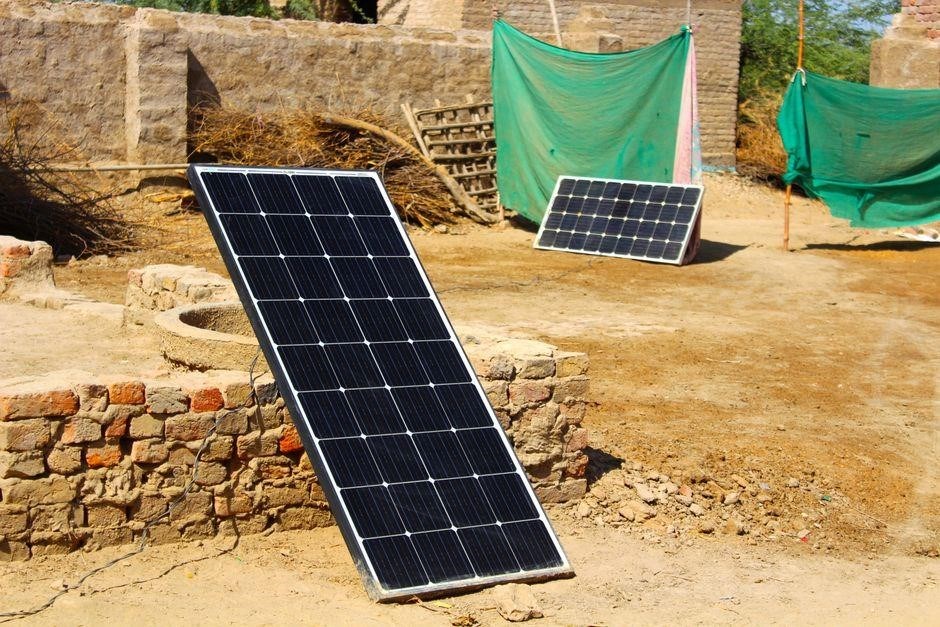
Wiring Diagram and Connections
To establish a reliable power path, begin by inspecting the supplied wiring harness for any visible damage. The harness typically includes a positive (+) and negative (–) lead, a ground wire, and a dedicated communication cable for monitoring. Connect the positive lead to the solar panel array’s + output terminal, ensuring the polarity matches the panel’s labeling. The negative lead should be attached to the array’s – terminal, and the ground wire must be securely fastened to a metal grounding rod or the system’s grounding bus bar. For battery integration, route the positive lead from the controller’s battery output terminal to the battery’s positive terminal, and the negative lead to the battery’s negative terminal. If using a multi‑cell battery pack, verify that the controller’s voltage rating matches the battery’s nominal voltage (12 V or 24 V). The communication cable, if present, should be connected to the controller’s monitoring port and the monitoring device (e.g., a display or a data logger). Ensure all connectors are tightened to the manufacturer’s torque specifications to prevent loose contacts. After completing the connections, perform a continuity check using a multimeter to confirm that there are no open circuits or shorted paths. Finally, double‑check that the controller’s mounting bracket is firmly attached to a stable surface and that the device is oriented correctly to avoid overheating. Once all connections are verified, power on the system and observe the start‑up display; it should cycle through the voltage bars, indicating proper communication and power flow. If the display does not cycle or shows error codes, re‑inspect the wiring for misconnected leads or insufficient grounding. Following these steps ensures that the solar charge controller operates safely, efficiently, and in compliance with the specified electrical and environmental standards.
Mounting and Orientation Guidelines
Secure the controller on a flat, non‑metallic surface using the included mounting bracket or a flush mount fixture. Position the device so that the solar panel input ports face the same direction as the panels to reduce cable strain. Ensure the controller is at least 30 cm above the ground to allow airflow and prevent moisture accumulation. The positive (+) and negative (–) terminals should be oriented with the panel’s polarity to avoid reverse current. If using a flat mount, align the bracket with the panel’s mounting holes to maintain structural integrity. For wall mounting, drill holes that match the bracket’s screw pattern and use corrosion‑resistant screws. Verify that the controller’s ventilation slots are not obstructed by dust or debris; clean them regularly with a dry brush. The device should be positioned away from direct sunlight to prevent overheating; a shaded area or a small canopy is recommended. Attach the communication cable to the controller’s monitoring port, keeping the cable length within the manufacturer’s limits to avoid signal loss. After mounting, double‑check all connections for tightness and correct polarity. Finally, test the system by powering on and observing the start‑up display; a smooth cycle of voltage bars indicates proper installation.
Ensure the mounting surface is level; use a spirit level to verify. The controller’s ventilation slots should face upward to promote airflow. Avoid placing the unit near heat sources or in direct sunlight. For outdoor installations, apply a weather‑proof enclosure and secure it with screws rated for the environment. After mounting, perform a visual inspection for any loose screws or exposed wiring. Finally, document the installation location and orientation for future maintenance.

Operation and Settings
Adjust voltage control via the 10‑bar display, selecting the correct battery type to prevent damage. Set charging mode (AGM, GEL, Flooded, Lithium) or use custom parameters. Monitor real‑time data on the screen and ensure the solar input matches panel output.Settings saved.
Voltage Control and Bar Display Calibration
Each of the ten bar segments on the front panel corresponds to a specific voltage range, as detailed in the Technical Data section under “Bar Display Scaling.” When the measured panel voltage falls exactly between two bar thresholds, the display will show a half‑filled bar to indicate the intermediate value. The controller’s default voltage setting is configured for Lithium (Li) chemistry, which is suitable for most modern systems. However, selecting the wrong battery type can damage the battery pack, so always confirm the battery chemistry before adjusting settings.
To calibrate the voltage display, first disconnect the solar module to avoid power spikes. Then, using the menu button, navigate to the “Voltage Control” screen. Here you can set the desired maximum charging voltage for your battery type (AGM, GEL, Flooded, or Lithium). If you need a custom voltage profile, choose “Custom Parameter Mode” and input the precise voltage values for each bar segment. After confirming the settings, reconnect the solar module and observe the startup cycle, during which the bar display will flash to confirm the new calibration.
For optimal performance, ensure the controller is mounted securely—either flat mount with the included bracket or flush mount fixture. The display will automatically adjust to the chosen voltage ranges, and the system will protect the battery by limiting over‑charge and over‑discharge based on the calibrated values.
During operation, the bar display updates every second, providing real‑time feedback on panel output and battery charge level. If the voltage exceeds the maximum threshold, the controller automatically reduces the input current to protect the battery. Users can also program a custom voltage curve by selecting “Custom Parameter Mode” and entering start, mid, and end voltages for each bar segment. After saving, the display will lock the new calibration until the next reset. For troubleshooting, consult the troubleshooting table in the manual, which lists common error codes and corrective actions. All settings saved. OK.
Welcome to the guide that explains how to set up, operate, and maintain the device that manages power from solar panels to batteries. It covers essential safety steps, installation basics, and operational settings to ensure reliable, efficient energy flow. Follow steps carefully for best performance. now
This manual provides clear instructions for installing, configuring, and troubleshooting the solar charge controller. It is designed to help users safely integrate the controller into off‑grid solar systems and to optimize battery performance.
The controller supports 12 V/24 V systems with up to 30 A output. It is compatible with AGM, GEL, Flooded, and Lithium battery chemistries and includes MPPT functionality for maximum power point tracking.
Always disconnect the solar panels before performing maintenance. Use insulated tools and ensure the controller is grounded to prevent electric shock. Follow local electrical codes and manufacturer guidelines for proper installation.
The controller meets IEC 60335‑2‑25 and UL 1703 safety standards. It is designed for use in environments with temperatures ranging from –20 °C to 60 °C and humidity up to 95 % RH.
The controller measures 120 mm × 70 mm × 30 mm and weighs 1.2 kg. It can be mounted using the flat‑mount bracket or flush‑mount fixture included in the kit. The device features a 10‑segment bar display and an LCD screen for status monitoring.
Key components are labeled on the rear panel: INPUT, BATTERY, GND, and VCC. The battery connector is marked with the compatible chemistries (AGM, GEL, Flooded, Lithium).
Connect the solar panel to the INPUT terminals, ensuring correct polarity. Attach the battery to the BATTERY terminals, matching the voltage rating. Ground the controller to the system ground using the GND terminal.
Mount the controller on a stable, dry surface. Ensure ventilation clearance of at least 10 mm on all sides. Align the display for easy viewing and secure the mounting bracket with screws.
The controller supports charging modes for AGM, GEL, Flooded, and Lithium batteries. Each mode selects the optimal charging profile—bulk, absorption, float, or equalization—based on the chosen chemistry. Users may also use Custom Parameter Mode to set precise voltage and current limits for each stage.
To select a mode, press the menu button and navigate to Battery Type. Choose the correct option; the display will lock the charging parameters. Selecting an incorrect battery type can limit current to a safe level but may still damage the battery, so double‑check the label before finalizing.
When the controller powers up, the start‑up display cycles through the selected mode and battery icon. The firmware monitors voltage, temperature, and current to keep the battery within safe limits. For mixed‑chemistry setups, use Custom Parameter Mode and enable Multi‑Battery in the settings.
Charging Modes and Battery Compatibility
All charging modes meet IEC and UL standards. The flat‑mount bracket or flush‑mount fixture ensures secure installation and proper heat dissipation. During low input, the controller enters low‑power sleep mode to preserve battery. The LCD shows current mode and battery status, updating every second. Diagnostics detect over‑current, over‑voltage, and temperature excursions, shutting down to protect the system. Serial port supports firmware updates. Firmware updates via the serial port can be done anytime without interrupting operation. Settings are saved automatically