
Manual alarm stations are crucial, designated systems for manually triggering fire alarms, often called manual call points (MCPs). These devices are strategically placed for quick access.
They empower individuals to immediately signal a fire emergency, enhancing overall building safety and facilitating swift evacuation procedures when needed.
What is a Manual Alarm Station?
A manual alarm station, also known as a manual call point (MCP) or fire alarm call point, is a device enabling individuals to manually initiate a fire alarm; Unlike automatic detection systems, it requires human activation upon discovering a fire.
These stations are strategically positioned throughout a building, ensuring accessibility during emergencies. Typically, they feature a break glass mechanism or require a key to operate, immediately signaling an alarm to the fire alarm control panel.
Their primary function is to provide a reliable, direct method for occupants to alert others to a fire, supplementing automatic systems and enhancing overall fire safety protocols. They are a vital component of a comprehensive fire protection strategy.

The Role of Manual Call Points (MCPs) in Fire Safety
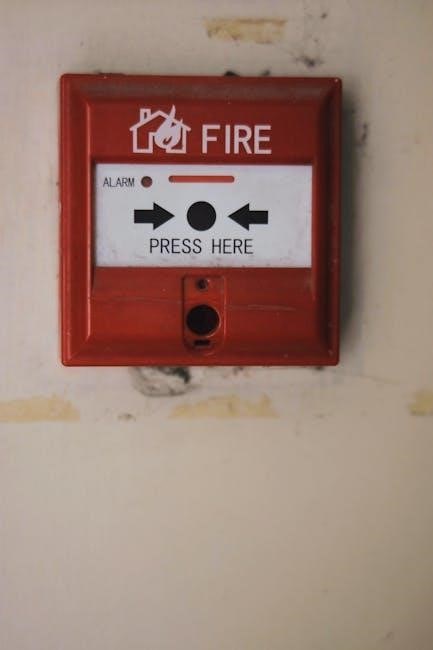
Manual Call Points (MCPs) play a critical role in a comprehensive fire safety system, acting as a vital component alongside automatic detection. They empower building occupants to proactively initiate an alarm upon discovering a fire, providing an immediate alert even before smoke or flames are widespread.
Strategically located MCPs ensure rapid activation, facilitating swift evacuation and minimizing potential harm. They are particularly important in areas where automatic detection might be less effective or delayed, offering a direct and reliable means of signaling an emergency.
MCPs complement automatic systems, creating a robust fire safety network, and are essential for protecting lives and property. Their accessibility and ease of use are paramount for effective emergency response.

Types of Manual Alarm Stations
Manual alarm stations come in diverse forms, including break glass call points, key-operated versions, and systems integrated with waterflow switches for activation.
Break Glass Call Points
Break glass call points are a widely recognized type of manual alarm station, employing a frangible element – typically glass – protected by a cover. To activate the alarm, one must break the glass, exposing a button or lever.
These are designed for immediate, unambiguous activation in emergency situations. However, standards like EN 54-11 (Annex A) specify that simply moving the protective cover doesn’t constitute activation; the glass must be broken to trigger the alarm.
The HM-MCP-GLASS-AP is an example of an addressable break glass call point designed for integration with Morley IASs fire alarm control panels, prioritizing installation efficiency and compliance with current standards.
They are a common and reliable method for manual fire alarm initiation.
Key Operated Call Points
Key operated call points represent a more secure type of manual alarm station, requiring a specific key to activate the alarm. This feature is particularly valuable in environments where accidental or malicious activations are a concern, such as sensitive facilities or areas prone to vandalism.
Unlike break glass units, these don’t rely on physical destruction for activation. Instead, inserting the designated key and operating the mechanism initiates the alarm signal.
This controlled activation method minimizes false alarms while still providing a readily accessible means for authorized personnel to signal a fire emergency. They offer an added layer of security and prevent unintentional triggering.
Key operation ensures deliberate and authorized alarm activation.
Waterflow Switches as Manual Activation
Waterflow switches function as a unique form of manual alarm activation, primarily integrated within sprinkler systems. When the sprinkler system activates due to heat from a fire, the subsequent water flow triggers the switch, automatically initiating the building’s fire alarm system.
While not a direct manual pull station, this system provides an automated response to fire, effectively acting as a manual activation consequence. It’s a passive system, relying on the sprinkler’s activation to signal an alarm.
This integration offers a rapid and reliable method for alerting occupants and emergency services, complementing traditional manual call points. It’s a crucial component of comprehensive fire protection strategies, ensuring swift notification upon water discharge.
Waterflow switches provide automated alarm signaling linked to sprinkler activation.

Standards and Regulations
Fire alarm systems, including manual call points, are governed by strict standards like BS 5839-1, EN 54-11, and DIN VDE 0833-2, ensuring reliability and safety.
BS 5839-1: British Standards for Fire Detection
BS 5839-1 is the cornerstone of fire detection and alarm systems in the UK, providing comprehensive guidance on design, installation, commissioning, and maintenance. Regarding manual call points, this standard dictates that no person should be required to travel more than 25 meters to reach one on any storey.
This accessibility requirement is paramount for ensuring swift alarm activation in emergency situations. The standard also specifies considerations for the placement of MCPs, emphasizing visibility and ease of access for all potential users. Compliance with BS 5839-1 is not just a legal obligation but a fundamental aspect of fire safety management, guaranteeing a robust and reliable system.
Regular inspections and testing, as outlined within the standard, are vital for maintaining the operational effectiveness of manual alarm stations and the overall fire alarm system.
EN 54-11: European Standards for Manual Call Points
EN 54-11 defines the requirements for manual call points across Europe, ensuring a consistent level of reliability and performance. This standard meticulously details the construction, testing, and functionality of these critical fire safety devices. A key aspect covered by EN 54-11 concerns the activation mechanism; simply moving a protective cover isn’t sufficient to trigger the alarm.
The standard mandates that the frangible element – typically glass – must be broken to reliably activate the system. This prevents accidental activations and ensures a deliberate action initiates the alarm. Compliance with EN 54-11 demonstrates a commitment to quality and safety, providing confidence in the system’s ability to respond effectively during a fire emergency.
Rigorous testing protocols are integral to this standard.
DIN VDE 0833-2: German Standards for Installation
DIN VDE 0833-2 provides specific guidelines for the installation of manual call points within Germany, focusing on ensuring optimal functionality and accessibility. This standard dictates that these devices should be mounted at a clearly visible location, maintaining a consistent height of 1.4 meters, with a tolerance of plus or minus 0.2 meters, or plus or minus 0.4 meters;
Adhering to these height specifications is crucial for ease of use by all occupants, regardless of physical ability. The standard emphasizes the importance of referencing the complete DIN VDE 0833-2 document for comprehensive installation information. Proper installation, as defined by this standard, is paramount for the reliable operation of the fire alarm system and the safety of building occupants.
Detailed information is available within the standard.

Installation and Placement
Strategic placement of manual alarm stations is vital, ensuring accessibility from all building points, as dictated by standards like BS 5839-1. Visibility and ease of access are key.
Optimal Mounting Height (1.4m ± 0.6m)
Maintaining a consistent mounting height for manual call points (MCPs) is paramount for usability and compliance with safety regulations. The generally accepted standard, as referenced in DIN VDE 0833-2, specifies an optimal height of 1.4 meters (approximately 4.6 feet) with a tolerance of plus or minus 0.6 meters.
This range ensures that the MCP is readily accessible to the majority of building occupants, regardless of their stature. Deviations from this height can hinder quick activation during an emergency. Consistent height also aids in rapid identification of the call point location, particularly in stressful situations.
Adhering to this standard contributes significantly to a building’s overall fire safety strategy, promoting efficient and effective emergency response.
Strategic Locations for Accessibility
Strategic placement of manual call points (MCPs) is vital for ensuring swift fire alarm activation. According to British Standards (BS 5839-1), no occupant should have to travel an excessive distance to reach an MCP on any storey of a building.
Key locations include near all exits, on escape routes, and adjacent to stairwells. Accessibility must be prioritized; obstructions like furniture or displays should never block access. Consideration should be given to individuals with disabilities, ensuring MCPs are reachable from wheelchair height where feasible.
Properly positioned MCPs empower occupants to quickly initiate an alarm, maximizing safety and facilitating efficient evacuation procedures during a fire emergency.
Ensuring Visibility and Ease of Access
Visibility is paramount when it comes to manual call points (MCPs). They must be readily identifiable, even in low-light conditions or during periods of stress. Clear signage, utilizing universally recognized symbols, is essential to guide occupants.
MCPs should never be concealed behind obstructions or blended into the surrounding décor. A contrasting color scheme can enhance visibility. Furthermore, ease of access is crucial; the activation mechanism must be operable with minimal effort.
Regular inspections should verify that MCPs remain unobstructed and clearly visible, ensuring that anyone can quickly and effectively initiate a fire alarm when necessary, contributing to overall building safety.

Operational Requirements
Manual call point operation involves pressing the button to activate the alarm, immediately confirming the fire situation, and ensuring proper installation for reliable functionality.
Activating the Alarm: Pressing the Button
Activating a manual alarm station is a straightforward, yet critical, process designed for rapid response in fire emergencies. Typically, this involves firmly depressing the button or breaking the frangible element – as seen in break glass call points – to initiate the alarm signal.
Upon activation, the system immediately transmits a signal to the fire alarm control panel, triggering audible and visual alarms throughout the building. It’s essential to understand that simply moving a protective cover, without breaking the element, doesn’t activate the call point, adhering to EN 54-11 standards.
This direct manual intervention bypasses automatic detection systems, allowing anyone discovering a fire to promptly alert others, even if smoke or flames haven’t yet been detected by sensors. This immediate action can be life-saving.

Confirming the Fire Situation
Following alarm activation from a manual call point, confirming the actual fire situation is paramount, despite the urgency. While immediate evacuation is often necessary, briefly assessing the source of the alarm helps prevent unnecessary disruptions and ensures appropriate emergency response.
This doesn’t require extensive investigation, but a quick visual check for smoke or flames, or identifying the source of the activation, is advisable if safe to do so. Accurate information relayed to emergency services significantly improves their effectiveness.
Remember, false alarms can occur, and a confirmed fire allows for a focused and efficient response, minimizing potential damage and ensuring the safety of all occupants. Prioritize safety and follow established emergency protocols.
Proper Installation Procedures
Correct installation of manual call points (MCPs) is vital for reliable fire safety. Adherence to standards like DIN VDE 0833-2 is crucial, ensuring compliance and optimal performance. Mounting height should be precisely 1.4m ± 0.6m, guaranteeing accessibility for all occupants.
Wiring must be secure and conform to electrical codes, preventing malfunctions. The MCP should be firmly fixed to the wall, resisting accidental damage or displacement. Regular checks during installation verify proper functionality and responsiveness.
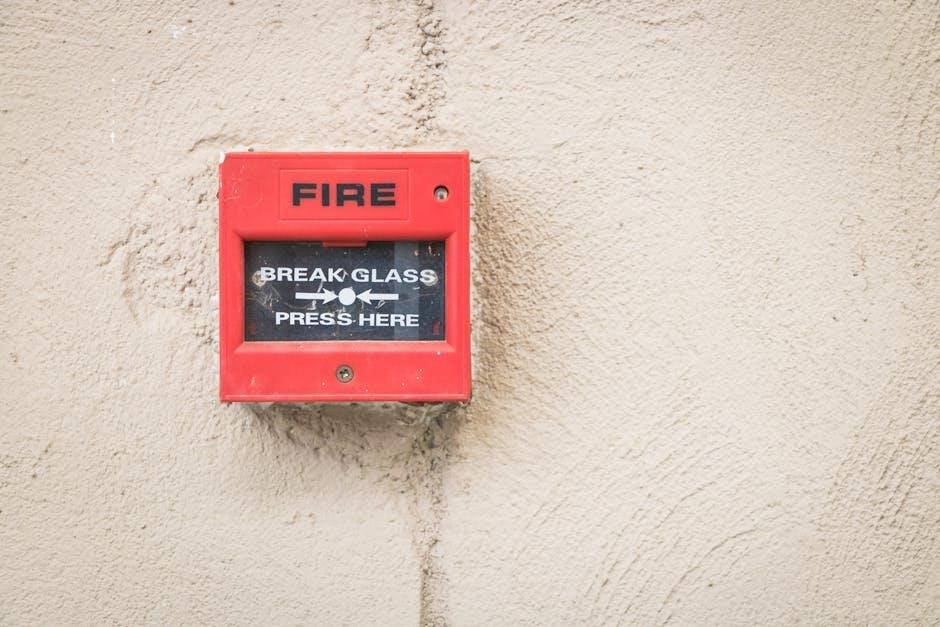
Qualified technicians should perform installations, documenting all work for future maintenance and inspection. Following these procedures guarantees the MCP will operate effectively when needed, protecting lives and property.

Maintenance and Testing
Regular inspection and testing of manual call points are essential for ensuring functionality. Scheduled checks, detailed record-keeping, and documented testing procedures guarantee reliability.
Regular Inspection Schedules
Establishing consistent inspection schedules is paramount for maintaining the reliability of manual alarm stations. BS 5839-1, the British Standard for fire detection, guides these intervals, typically recommending monthly visual inspections.
These inspections should verify the unobstructed visibility of the call point, ensuring the break glass or operating mechanism isn’t damaged or compromised. A more detailed functional test, involving activation of the alarm, should occur every six months.
Detailed records of all inspections and tests must be meticulously maintained, documenting dates, findings, and any corrective actions taken. This documentation provides a clear audit trail and demonstrates compliance with relevant safety standards, ultimately safeguarding building occupants.
Testing Procedures to Ensure Functionality
Functional testing of manual alarm stations is vital to confirm operational readiness. This involves simulating a fire scenario by activating the call point – breaking the glass or using a key, depending on the type.
Upon activation, verify the immediate transmission of an alarm signal to the fire alarm control panel and subsequent activation of audible and visual alarms throughout the building. EN 54-11 outlines specific testing requirements, including checking the responsiveness and reset functionality.
Document all test results, noting any delays or failures. Address any identified issues promptly, ensuring the system is fully functional before returning the call point to its normal state. Regular testing guarantees reliable performance during an actual emergency.
Record Keeping and Documentation
Comprehensive record-keeping is essential for maintaining a reliable fire safety system. Detailed logs should document all inspections, testing, and maintenance performed on manual alarm stations.
Each entry must include the date, time, technician’s name, specific call point tested or serviced, and a clear description of the actions taken and results obtained. Any faults or repairs should be meticulously recorded, along with the corrective measures implemented.
Maintain readily accessible documentation, including system schematics, manufacturer’s manuals, and testing reports. This ensures compliance with BS 5839-1 and facilitates efficient troubleshooting and future maintenance efforts, demonstrating due diligence.